
Artificial Intelligence using Python
Program Overview
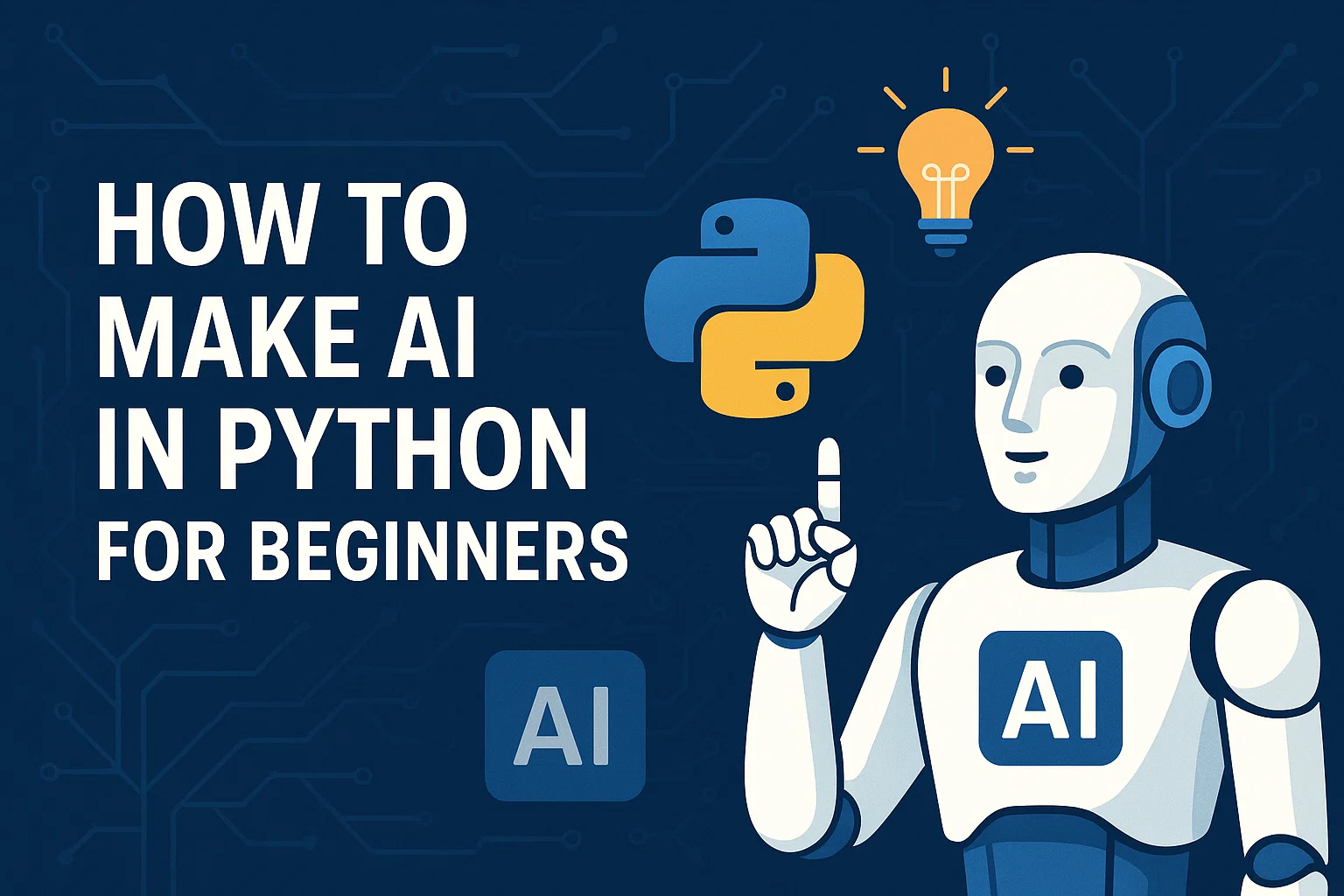
This course introduces the fundamental concepts of Artificial Intelligence with a strong focus on implementation using Python. It explores how intelligent systems are developed through data analysis, machine learning techniques, and algorithmic decision-making. Students gain practical experience in building and evaluating AI models using widely adopted Python libraries .
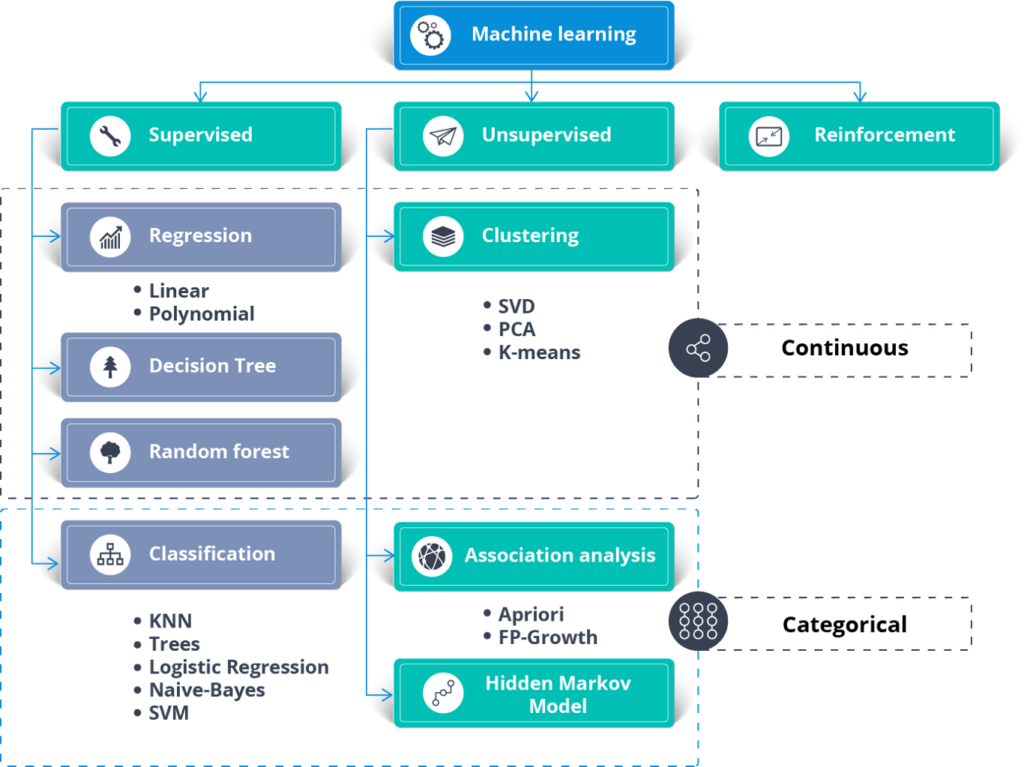
The course combines theoretical foundations with hands-on exercises to strengthen problem-solving and programming skills. Major topics include supervised and unsupervised learning, neural networks, data preprocessing, and model evaluation methods. Emphasis is placed on understanding how data influences model performance and accuracy. Students also learntechniques for visualization, feature engineering, and performance improvement.
Real-world applications of AI in domains such as cybersecurity and automation are discussed to provide practical context. Ethical and responsible use of AI technologies is also highlighted. By the end of the course, learners will be capable of developing and accessing basic AI-based solutions using Python tools and frameworks.
Program Objectives
Real-world applications of AI in domains such as cybersecurity and automation
- Explain fundamental concepts, terminology, and applications of Artificial Intelligence and Machine Learning.
- Gain understanding of core Python programming fundamentals; including variables, data types, control flow, functions, modules, OOP, file handling, and error handling & exceptions.
- Perform data preprocessing, cleaning, and visualization for AI-based problem solving using NumPy, Pandas Core, EDA, Matplotlib, and Seaborn libraries.
- Implement supervised learning algorithms, including Linear Regression, Decision Trees, Random Forest, SVM, k-NN, and Naïve Bayes for classification and prediction tasks.
- Apply unsupervised learning techniques, including k-Means Clustering, Hierarchical Clustering, and PCA for clustering and pattern discovery in datasets.
- Understand Deep Learning by designing and training ANN, CNN, RNN, and LSTM models for solving practical problems.
- Evaluate AI models using appropriate performance metrics such as accuracy, confusion matrix, and error analysis.
Why choose Training with Teletek Solutions?
Our program bridges the gap between local education and international standards to prepare you for a successful career in the UK, USA, and beyond.
Recognized Degree
HEC recognized for national and global validity.
Expert Faculty
Learn from qualified educators with extensive academic backgrounds
Modern Facilities
Modern simulation labs, online simulations, and well-equipped classrooms
Global Pathways
Our graduates are prepared for international standards in the UK, USA and beyond





Book Your Seat Now
Secure your global future by booking your seat in our next session today.